

 تغريدة
 Operational Challenges and Capacity Constraints Facing Developing Fleets
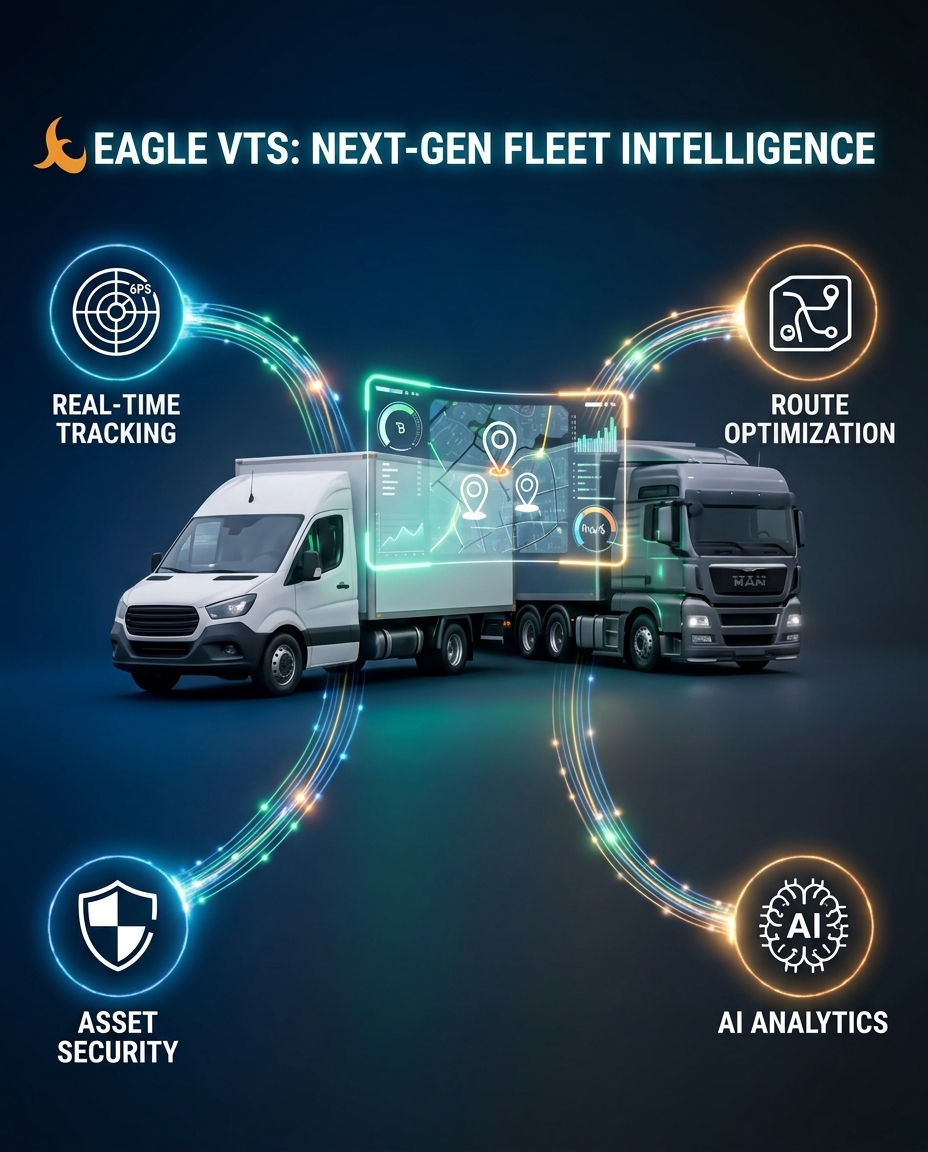
Small and medium-sized enterprises (SMEs) operating commercial fleets across regional markets face distinct operational pressures. Unlike large corporate entities with dedicated fleet teams, SME owners and operations managers handle multiple responsibilities—from dispatching drivers and managing maintenance to controlling fuel costs and resolving customer issues. Managing operations using manual logs, messaging apps, and spreadsheets leads to operational blind spots. An anti-theft GPS tracker for fleet in Kuwait and across the GCC Vehicles are often underutilized, unauthorized personal trips go undetected, and maintenance is handled reactively after breakdowns occur. These operational inefficiencies compress profit margins, making it difficult for growing enterprises to compete with larger logistics providers. Modern fleet telematics levels the playing field, providing SMEs with automated tools to streamline fleet management without expanding administrative overhead.
Precise Maintenance Scheduling and Engine Telemetry Integration
Unexpected mechanical breakdowns damage profitability and disrupt delivery schedules for growing transport businesses. Reactive maintenance routines lead to expensive emergency repairs and extended vehicle downtime. Integrating CAN-Bus diagnostic telemetry allows small fleet operators to transition to precise, usage-based preventive maintenance schedules. Telematics units track real-time engine running hours, total mileage, and fuel usage directly from vehicle control units. Operations managers can configure automated service alerts based on exact engine hours or distance milestones, ensuring timely oil changes, filter replacements, and brake inspections. Automated diagnostic trouble code (DTC) alerts notify mechanics of early component wear before major failures occur, extending vehicle lifespans and reducing repair costs.
Generator Fleet Monitoring: Hour-Meter Verification, Load Tracking, and Maintenance Control
For equipment rental firms and civil contractors operating diesel generators, tracking machinery performance across scattered job sites poses major operational hurdles. Equipment owners frequently face disputes over reported billable operating hours, unauthorized equipment use, and improper load operation. Advanced telematics systems designed for stationary machinery connect directly to engine control panels and fuel systems via J1939 protocols. These units record exact engine start and stop times, generating verifiable digital running logs that simplify client billing and end hour-meter tampering disputes. Continuous monitoring of engine load levels, oil pressure, coolant temperatures, and output voltages alerts site engineers to potential mechanical issues, preventing engine seizures caused by low oil levels or overheating.
Contract Billing Precision, Rental Protection, and Dispute Mitigation
Equipment rental businesses rely on clear, accurate machinery operational data to protect profit margins and maintain healthy client relationships. Relying on manually logged hour meters often leads to payment delays when clients challenge invoice details. Telematics platforms provide clear, date-stamped digital proof of equipment usage, showing precise daily start, stop, and idle times. If an unpowered asset or generator is operated outside agreed shift windows, the system flags the activity automatically. Equipping machinery with remote disable capabilities allows rental companies to restrict equipment operation when contract terms are breached or rental payments fall past due. This automated operational control reduces billing disputes, accelerates cash flow, and protects valuable machinery assets.