

 تغريدة
 Dynamic Geofencing and Cross-Border Equipment Control
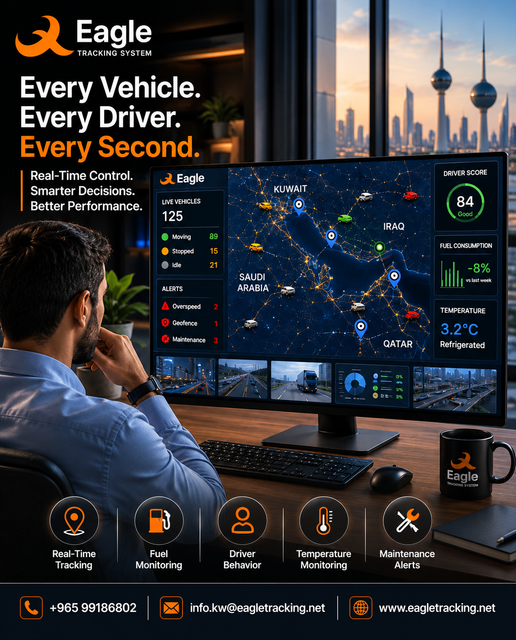
High-value mobile power assets deployed on trailers are vulnerable to unauthorized site relocation, equipment misuse, and unapproved movement across international borders. Real-time GPS receivers embedded within telemetry gateways continuously log spatial coordinates, maintaining tracking functionality even when the generator engine is powered down.
Fleet managers build multi-layered virtual perimeters around client project sites, equipment yards, and border transport corridors. In an illustrative hypothetical scenario, if a rented 750 kVA unit assigned to a road construction project near Abdali is loaded onto a transport truck and moved toward an unauthorized boundary without dispatch clearing, the system generates an immediate perimeter violation alert. Operational managers receive tracking updates, showing vehicle speed and directional heading. System controls allow engineers to issue remote starter lockout commands, preventing engine restarts once the unit comes to a complete halt in an unassigned zone.
Automated Hour-Meter Reconciliation and Revenue Protection
Manual runtime tracking often leads to unbilled operating hours, delayed billing cycles, and client disputes over excess equipment usage. Modern rental software reads engine run hours directly from the digital controller memory register, recording start, run, and stop events with absolute accuracy.
Automated billing modules reconcile logged engine hours against contract terms at the end of each billing cycle. Eagle Generator Tracking and Maintenance in Kuwait For instance, in a hypothetical contract specifying an 8-hour daily shift, if the client operates the power unit for 15 hours daily to meet project deadlines, the platform calculates the 7-hour daily overage automatically. Attaching verified runtime graphs directly to invoices speeds up payment processing, prevents billing disputes, and protects rental revenues across active deployment contracts.
Fleet Optimization and Operational Benefits
Implementing real-time generator rental management software delivers distinct operational and financial advantages for rental companies and equipment owners:
Fleet managers build multi-layered virtual perimeters around client project sites, equipment yards, and border transport corridors. In an illustrative hypothetical scenario, if a rented 750 kVA unit assigned to a road construction project near Abdali is loaded onto a transport truck and moved toward an unauthorized boundary without dispatch clearing, the system generates an immediate perimeter violation alert. Operational managers receive tracking updates, showing vehicle speed and directional heading. System controls allow engineers to issue remote starter lockout commands, preventing engine restarts once the unit comes to a complete halt in an unassigned zone.
Automated Hour-Meter Reconciliation and Revenue Protection
Manual runtime tracking often leads to unbilled operating hours, delayed billing cycles, and client disputes over excess equipment usage. Modern rental software reads engine run hours directly from the digital controller memory register, recording start, run, and stop events with absolute accuracy.
Automated billing modules reconcile logged engine hours against contract terms at the end of each billing cycle. Eagle Generator Tracking and Maintenance in Kuwait For instance, in a hypothetical contract specifying an 8-hour daily shift, if the client operates the power unit for 15 hours daily to meet project deadlines, the platform calculates the 7-hour daily overage automatically. Attaching verified runtime graphs directly to invoices speeds up payment processing, prevents billing disputes, and protects rental revenues across active deployment contracts.
Fleet Optimization and Operational Benefits
Implementing real-time generator rental management software delivers distinct operational and financial advantages for rental companies and equipment owners:
- Complete Revenue Capture: Automated hour-meter logs capture all contract overruns, preventing unbilled engine usage.
- Reduced Unplanned Downtime: Real-time fault warnings allow field crews to perform preventive maintenance before catastrophic component failures occur.
- Minimized Fuel Losses: Digital tank probes detect fuel theft and fuel leaks early, reducing overall operational expenses.
- Extended Asset Lifespan: Scheduling maintenance according to actual run hours and load factors preserves engine life and residual value.
- Streamlined Field Dispatch: Centralized fault reporting ensures service crews arrive at project sites equipped with the correct parts and tools.