

 تغريدة
 Geographic Position Tracking and Deployment Management
The platform also supports rental analytics. Fleet managers see utilization rates across the fleet, identify which generators rent most frequently, and understand seasonal patterns. This data informs decisions about fleet composition, pricing, and marketing.
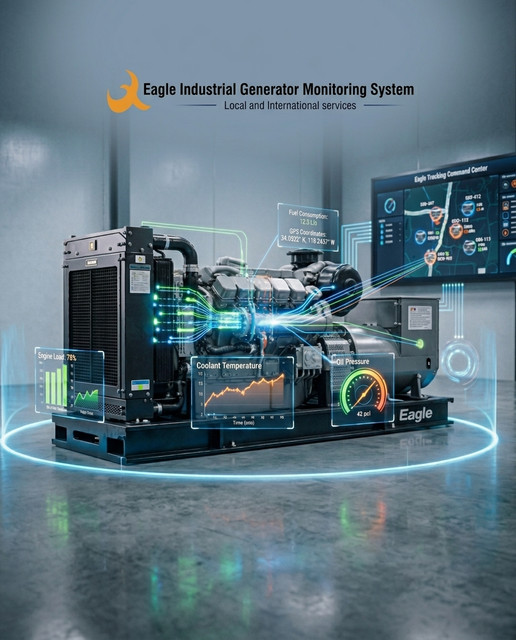
Knowing where your generators are physically situated is essential for operations, logistics, and security. Real-time geographic position tracking uses GPS or similar technology to show the exact position of each unit. Fleet managers see all generators on a map interface, understand their deployment status, and can track movements.
This capability supports multiple operational needs. Logistics teams plan equipment movements efficiently. Operations managers verify that generators are where they should be. Security teams detect unauthorized movements. Rental coordinators confirm deployment locations for billing and service purposes.
A hypothetical case illustrates this. A construction equipment company operates across multiple project sites in the Gulf. Generators move between sites frequently. Before geographic tracking, the company lost track of several units. Field teams spent days searching for misplaced generators. After implementing real-time position tracking, the company knows exactly where every unit is at all times. Logistics planning improved because the team can see which generators are available and where they are positioned. Security improved because unauthorized movements trigger immediate alerts.
Geographic tracking also supports maintenance and service operations. When a generator needs service, the maintenance team knows exactly where to go. When a unit needs to be redeployed, the logistics team can plan the most efficient route. When a customer reports an issue, the service team can verify the unit is at the expected position.
Alert Systems and Proactive Notifications
Real-time tracking delivers its full value through intelligent alert systems. The platform monitors all parameters continuously and generates notifications when conditions deviate from normal. These alerts allow fleet managers to respond proactively rather than reactively.
Alert types include low fuel warnings, high run hour notifications, maintenance due reminders, abnormal consumption alerts, unauthorized movement detection, and contract milestone notifications. The system delivers these alerts through multiple channels, including email, SMS, and in-platform notifications. Fleet managers configure alert thresholds based on their operational requirements.
Consider a hypothetical scenario. A facility management company operates generators across multiple sites. Before implementing alert systems, the company discovered problems only when they caused failures. A generator ran out of fuel and stopped. A unit exceeded maintenance intervals and broke down. Eagle IoT Generator Management Across Industries A rental contract expired without notice, creating billing confusion. After deploying comprehensive alert systems, the company receives notifications before problems occur. Low fuel alerts trigger refueling before tanks run dry. Run hour alerts schedule maintenance before intervals are exceeded. Contract alerts remind the team to process extensions or schedule collections. Problems decreased significantly because the team responds to alerts rather than failures.
Data Integration and Reporting
Real-time tracking generates substantial data. The platform should make this data accessible through intuitive reports and dashboards. Fleet managers need to see operational summaries, utilization analytics, maintenance histories, fuel consumption trends, and rental performance metrics.
The reporting system should support different user roles. Operations managers need daily operational summaries. Maintenance teams need service histories and upcoming schedules. Financial teams need rental billing data and cost analysis. Executive leadership needs fleet performance overviews and strategic insights.
A hypothetical example shows the value. A multi-division company operates generators across various business units. Before implementing integrated reporting, each division maintained separate records. Consolidating data for executive review took days. After deploying a unified reporting platform, the company generates consolidated reports instantly. Executive leadership sees fleet performance across all divisions. Division managers see their specific operational data. The reporting burden dropped dramatically, and decision-making improved because data is accessible and accurate.
The Operational Transformation
Real-time tracking of generator run hours, fuel levels, and rental status delivers comprehensive operational control. Fleet managers see exactly what is happening across their entire inventory at any moment. Maintenance schedules align with actual usage. Fuel consumption becomes visible and manageable. Rental operations run smoothly with transparent data. Geographic tracking supports logistics and security. Alert systems enable proactive responses. Integrated reporting provides insights for strategic decisions.
For fleet directors, operations managers, quality controllers, and business owners across Kuwait, the Gulf, and North Africa, real-time tracking is no longer a luxury. It is an operational necessity. The technology is proven, the benefits are measurable, and the implementation is straightforward. Organizations that adopt real-time tracking gain competitive advantages through improved efficiency, reduced costs, and enhanced reliability.