

 تغريدة
 Ten Minutes to Produce a Trip Record
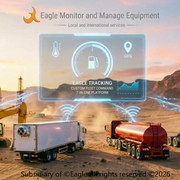
If an inspector stopped one of your trucks at the Nuwaiseeb crossing tomorrow, how long would you need to produce its complete trip record: route, stops, driver, speed events, seal status and border timestamps? Most fleets answer that question with a phone call to the driver and a search through three systems.
Eagle Middle East builds tracking systems that assemble the record as the trip unfolds. This article outlines what changes at each frontier, how telematics data supports the paperwork, and how a fleet director can reduce audit preparation and avoid penalties. Rules in this area move quickly, and nothing here replaces advice from your customs broker, your legal counsel or the relevant authority.
A Rulebook That Changes at Every Frontier
Saudi Arabia, according to recent reports, requires foreign trucks to obtain an electronic transport document before entry, limits them to journeys connected with cross-border movements, bars them from point-to-point haulage inside the Kingdom, and expects outstanding violations to be cleared before they enter or leave. GPS tracking system in Kuwait The United Arab Emirates introduced a national system for tracking trucks and shipments through a 2021 Cabinet Resolution, using satellite or electronic tracking devices.
Kuwait launched the first phase of an electronic customs link with the GCC Customs Union Authority in January 2026, and a customs data link between Saudi Arabia and Kuwait lets the exporting side’s data reach the other side before trucks arrive at the Khafji and Ruqai crossings. Direction of travel is clear: more data moves ahead of the truck. Confirm current requirements with the authorities before you plan a route.
Matching the E-Document to the Trip You Actually Drive
An electronic transport document lists the sender, the consignee, the itinerary and the carrier. The tracking platform records the trip that really happened. When the two disagree, delays follow: a plate number entered with a typing slip, a trailer replaced at the last minute, a route that differs from the declared one.
Keep a master data list in the platform with the exact plate, trailer, driver and permit numbers as they appear in the documents. Draw a geofence around the approved corridor, and the dispatcher gets an alert when a truck leaves it. The same list saves time at the dispatch desk, where a single wrong character can hold a truck for hours.
Violations Travel With the Plate
A fine attached to a truck follows it to the next frontier. Reports from Saudi Arabia describe a large rise in violations by foreign trucks in 2024 and a requirement to clear violations before entry or exit. A fleet director needs a weekly list of every plate with an outstanding fine and a reason code for each.
Telematics shows the cause: speed events, driving beyond permitted hours, a route deviation, a stop in a prohibited area. Set an internal speed limit below the legal one and review the repeat offenders with their supervisors. Where the vehicle’s air suspension reports pressure, the platform can estimate axle load as an indicator of overloading. Treat that estimate as a warning sign, since only certified weighing counts as a legal measurement.